
How to Juggle a Football: Step-by-Step
This post contains affiliate links. As an Amazon Associate, we earn from qualifying purchases.
To learn how to juggle a football, start with hands between touches and drop the ball low. Lock your ankle and hit the laces near the base of your toes. Keep the first touches below head height, Sources disagree on backspin: Football Techniques and Online Soccer Academy recommend it, while Soccer Blade does not mention it., and practice 10-15 minutes per session.
The hands act as a training tool. They let you isolate the foot touch before balance, timing, and chasing turn the drill into chaos.
What follows: starting position, foot contact, a drill ladder, fixes for a ball that flies away, and a daily plan.
Key Takeaways
- Start with hands between touches to build control before aiming for long records.
- Lock the ankle and hit the ball on the laces near the base of the toes.
- Keep the first touches low; a high ball invites chasing and bad contact.
- Use the weak foot after five steady touches. A lucky streak doesn’t count.
How to Juggle a Football: Start With the Hands
I tried to start with pick-up moves. The ball went away before my foot settled. A hand between touches stops that chase.
A basic juggling touch starts with the ball dropped low, the ankle locked, and the foot curled back toward the shin. Contact happens on the laces near the base of the toes, with backspin helping keep the ball returning to the body rather than drifting away. Online Soccer Academy lists these key points.
Easy to miss: Curling the foot all the way to the shin sends the ball back into your shins. Keep the curl modest.
When you practice at home, begin with hand-assisted reps. I prefer this start because it keeps the drill honest.
Drop and Catch First
- Hold the ball straight out in front of you at chest height. Drop it low onto your foot. Skipping the low drop gives you less time and a higher chance of chasing.
- Toss the ball up instead of pushing it down. A toss gives the foot time to meet the ball cleanly.
- Kick once and catch it with your hands. Don’t add a second touch until the first touch feels calm.
- Switch to the other foot only after five steady touches on one foot. Five is the checkpoint. Treat it as a checkpoint.
Kick-Up and Catch Drill
If you only manage 2 or 3 kick-ups, use the kick-up and catch drill. Drop the ball, kick it back toward your hands, catch it, then repeat. The drill builds aim, balance, and the small muscles that plain chasing doesn’t build.
What Is the Proper Foot Position for Juggling?
Online Soccer Academy and wikiHow both point to a locked ankle. That cue keeps the foot from absorbing the ball’s energy. A locked ankle feels like a small platform; a loose ankle feels like a soft cushion that eats the touch. Keep your eyes on the ball. Online Soccer Academy lists it as a key point. Keep your knees bent and stay balanced. WikiHow emphasizes balance.
| Cue | What the sources say | How to start |
|---|---|---|
| Starting height | Soccer Blade and wikiHow: chest-height drop. Online Soccer Academy: let it drop low. | Begin low, then raise only if needed. |
| Ankle | wikiHow and Online Soccer Academy: locked ankle. Some players advocate a different ankle position. | Use a locked ankle first. Add softness after control. |
| Alternating feet | Football Techniques: weak foot 5 touches. Online Soccer Academy: 5 or 10 on dominant foot. | Start opposite foot after five steady touches. |
For best footballs for juggling, choose a ball that feels comfortable for controlled touches. Online Soccer Academy lists six key points, and I treat the locked ankle as the safer starting rule.
The Locked Ankle Rule
Keep the ankle firm. A firm foot makes the ball bounce off as if it hit a rock. A soft foot absorbs pressure.
Contact Point: Laces Near the Toes
Make contact on the laces near the base of your toes. Curl your foot back toward your shin. Keep the curl modest. The partial curl keeps the ball returning to you. Pointing the toe down sends it forward.
How Should You Progress to More Touches?
Five touches is the practical starting line for adding the other foot. Before long records, use ball control drills that keep the ball close. WikiHow gives the basic steps. Watch the best jugglers and copy the small movement rather than the showy flick.
Start small.
The Touch Ladder
- One touch, then catch.
- Two touches, then catch.
- Bounce the ball between touches if you need more control.
- Full touches without hands once the bounce stage feels easy.
Use hands between touches. They keep control while the foot touch settles. A checkpoint of several steady touches is a useful test.
I prefer clean touches with both feet to sloppy touches with one. The weak foot is where control starts to look real.
Thigh and Head Touches
Lift one knee so the thigh is flat. WikiHow says a knee at a right angle keeps the thigh flat. A flat surface is easier to bounce off than an angled one. Try thigh touches only after foot touches are steady. For head touches, angle your face up so the ball hits the top of your forehead. Keep your neck relaxed and bend your knees. Avoid the top of your head; wikiHow says it gives less control and can hurt.
Why Does the Ball Go Away From You?
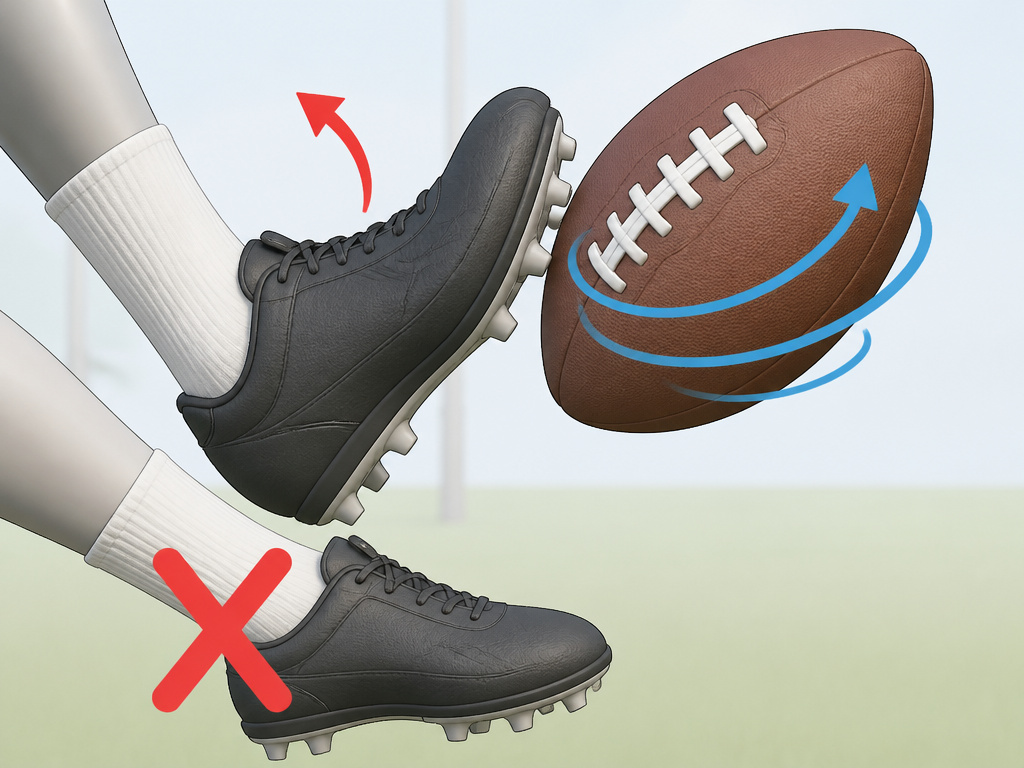
Most chasing starts before the ball leaves the foot. If the ball shoots forward, check the toe. Online Soccer Academy says pointing the toe down sends the ball away. A modest curl back toward the shin keeps the ball in the working zone. Soccer Blade advises kicking the ball up but not higher than your head. I have watched too many players chase a ball that has gone away.
If the ball gets high, let it drop low. If you also need to control a high ball in a game, practice that skill apart from juggling. When juggling starts to transfer to play, move into close control dribbling.
| Problem | Cause | Fix |
|---|---|---|
| Ball shoots forward | Toe points down instead of curled back | Curl foot toward shin; hit laces near toes |
| Ball hits shins | Foot curled too far back | Keep curl modest |
| Ball drifts away | No backspin | Drop with slight backspin |
| You chase the ball | Kick too high | Keep touch below head height |
Where this goes sideways: A big kick turns the ball into a chase. Keep the touch small.
The Backspin Habit
Backspin, the rotation that turns the ball toward your body, makes the touch easier to track. Football Techniques says drop the ball with slight backspin and keep the spin while juggling. Online Soccer Academy also lists backspin as a key point.
What Should You Practice Every Day?
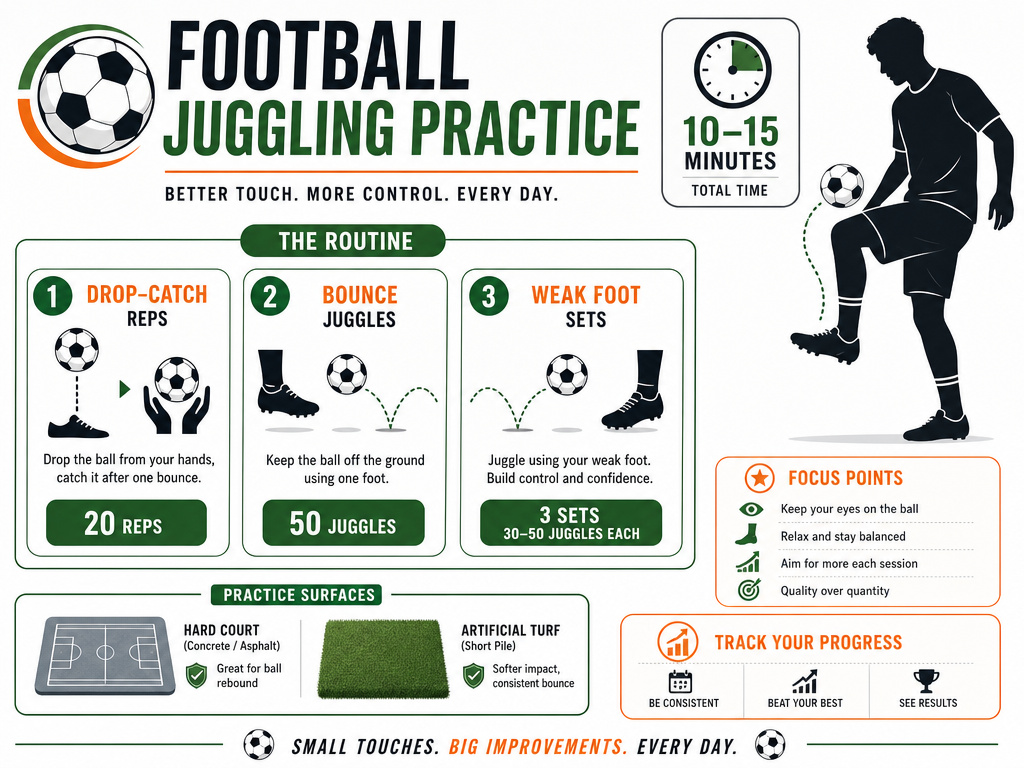
Short practice wins. Spend time to improve your weak foot with five-touch sets. Juggling supports the first touch because it trains a controlled return.
Online Soccer Academy suggests 10-15 minutes at the end of every session. Soccer Blade says 10 minutes daily for a year will make you much better. A 10-minute daily habit requires consistency. Then the touches start sticking.
- Do drop-catch reps first.
- Add bounce juggles when the clean touch is shaky.
- End with weak-foot sets.
- Stop when form breaks. Tired ankles create sloppy touches.
Practice on a hard court or artificial turf. Soccer Blade says those surfaces make juggling easier.
A Human Kinetics study found no significant difference in retention between practicing with a smaller ball or a larger ball. Ball size didn’t change how well the skill stuck. If you want one ball, Choose a ball that feels comfortable for controlled touches.
A juggling record is a count of touches. A useful touch is one that brings the ball back to you.
I would skip rainbow flicks and pick-up moves until the basic touch is steady. Online Soccer Academy says start with hands instead of feet, so you focus on foot juggling. Pick-up moves come later. (I would keep sessions short instead of proving a point.) Soccer Blade notes some well-known players have struggled with juggling at unveilings. Juggling is a touch drill.
How to Start Juggling from the Ground
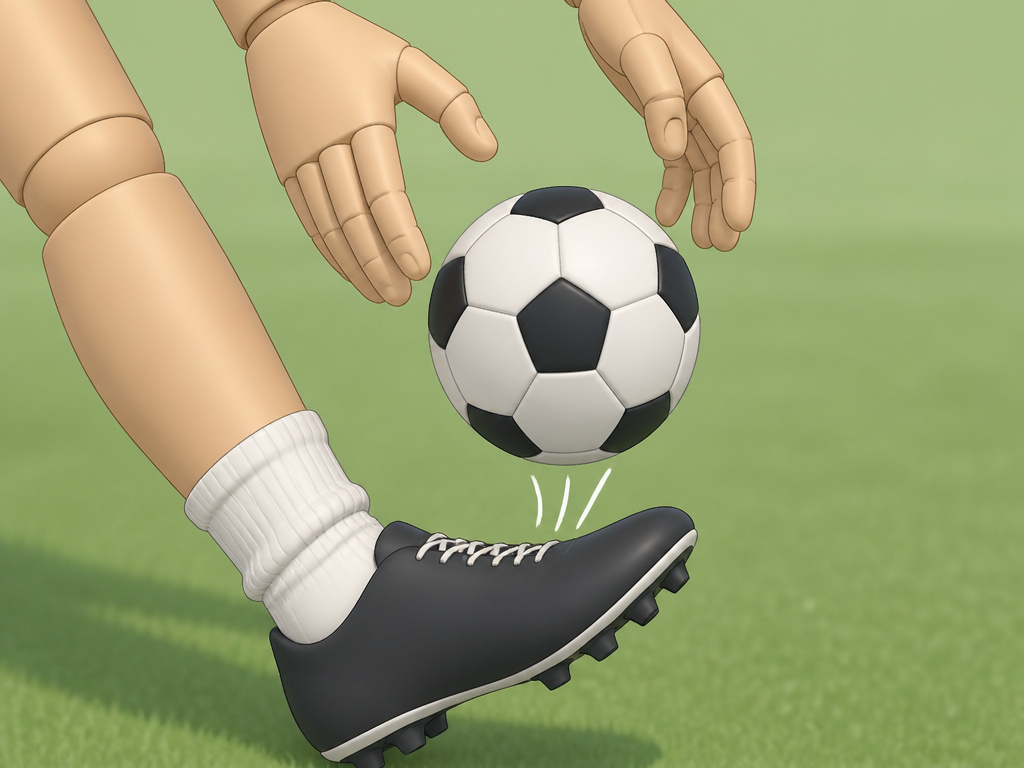
To start juggling from a standstill, begin with the ball in your hands. Hold it straight out in front of you at chest height and drop it. Sources disagree: Online Soccer Academy advises letting the ball drop low before kicking, while Soccer Blade advises kicking the ball up but not higher than your head. As it falls, position your foot out in front of you. Keep your ankle locked and your foot curled back towards your shin, making contact with the part of your laces near the base of your toes. This platform-like surface will pop the ball back up with control. Using your hands to start each rep helps you focus on the quality of that first foot touch.
Frequently Asked Questions
How do I start juggling a football?
Start with hands between touches. Drop the ball low, kick once, catch, then add two touches. Keep the ankle firm and hit the laces near the base of the toes.
How many juggles should a young player do?
Use the same checkpoints: five steady touches on one foot, five on the weak foot, then alternate.
What is the main habit to build?
Short, controlled touches. Let the ball drop low, keep your eyes on it, and make the foot touch small. A big kick makes the ball harder to reach.
Is juggling good for football?
It trains touch and concentration. Football Techniques says it helps the first touch, and Soccer Blade says it improves control and focus. Passing, control, tackling, and shooting still matter more on the field.
Should I juggle without shoes?
Start with normal football boots and use the same laces contact. If you try barefoot, expect a softer contact surface.
Before You Go
If your touches keep flying forward, stop adding power. Curl the foot back toward the shin, hit the laces near the base of the toes, and keep the first touch low.
This week, do drop-catch reps before any full juggle. Make the hand between touches the default until five touches feel calm.
That is how to juggle a football for real control. The record will come after the touch settles.
What is your first clean juggling record?
