
Panna Football Explained: Skill, Rules, and Culture
This post contains affiliate links. As an Amazon Associate, we earn from qualifying purchases.
Panna football is a 1v1 or 2v2 street football game played in a small cage, where scoring a goal through an opponent’s legs, a panna or nutmeg, ends the match instantly. If no panna happens, the player with the most goals after three minutes wins. The game prioritizes technical skill, creativity, and respect over physical contact.
That’s the elevator pitch. But the real story lives in the details most guides skim over, like why some tournaments demand you keep the ball after a nutmeg and others don’t, or what a referee is actually looking for when they award a foul in a game with ‘no contact’. The nuances of panna football explained here reveal the sport’s true depth.
What follows is a walk through the cage: the official rules, the spots where rulebooks disagree, the gear that actually works, and the street-level philosophy that turns a simple nutmeg into a respected art form.
Key Takeaways
- A panna (nutmeg) is an instant match-winner in most rule sets, score one and the game ends immediately, regardless of the goal count.
- Standard matches last 3 minutes; if tied, a 1-minute overtime and then sudden death decide the winner.
- The panna must be intentional, an accidental ball through the legs doesn’t count, and the ball cannot touch the cage boarding first.
- Rule sets disagree on a key point: some organizations require you to regain possession after the nutmeg, while others (like Panna Knockout) do not.
- The game is built on a respect-based philosophy; while scoreroom.com states physical contact is not allowed, Panna Knockout allows only limited physical contact, penalizing excessive force that breaks the flow of play.
What Is a Panna? The Move and the Game
First, clear up the confusion. “Panna” refers to two things: the skill and the sport built around it.
The skill is the nutmeg, playing the ball through an opponent’s legs. It’s a move celebrated in parks and professional pitches worldwide. It must be done deliberately. An accidental nutmeg is just a lucky bounce.
The sport, panna football, is a structured battle where that move is the ultimate weapon. Two players face off in a confined space, with cage dimensions varying by organization; common specifications include a 6-meter diameter circle, a 7-meter diameter octagon (Panna Knockout), or an oval roughly 6 by 9 meters. The ball is a low-bounce size 4, similar to a futsal ball, which keeps play tight and technical. In many formats, you start back-to-back; the whistle blows, and it’s a duel of wits, feints, and close control.
The ideal ball for a panna soccer game is a low-bounce ball size 4. Just like in futsal.
How to Win a Panna Match: Goals vs. The Instant Panna
You have two paths to victory, and they shape every second of the match.
The first is the instant win by panna. In the major rulebooks from Rabona Panna and Panna Knockout, executing a clean, intentional nutmeg ends the game on the spot. It doesn’t matter if you’re down 5-0. One perfect moment of skill trumps everything. This rule is what makes panna football explained so tense and thrilling, there is always a way out, and there is always everything to lose.
The second path is the points victory. If the clock runs out without a panna, the player who scored the most goals wins. It’s a simple tally, but getting a shot past a defender in such a tight space is a serious challenge of its own.
Where this goes sideways: Assuming a shot attempt can be a panna. The Panna Knockout rules are explicit: “An attempt on goal can never be a panna.” If you’re shooting and the ball goes through their legs, it’s just a goal.
This dual-win condition creates a fascinating mental game. Do you play it safe, shield the ball, and rack up goals? Or do you constantly hunt for the high-risk, high-reward nutmeg? The best players keep their opponents guessing until the very last second.
Official Rules and Where They Disagree
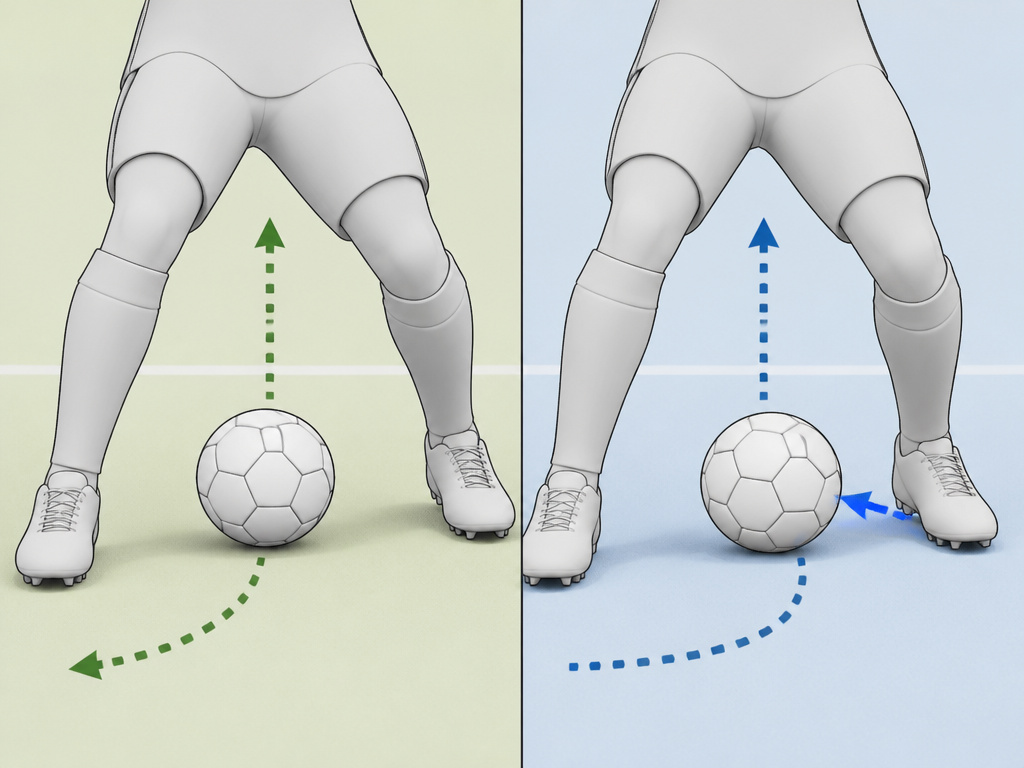
While the core is consistent, the rulebooks from different governing bodies have specific, and sometimes conflicting, details. This isn’t a case of one being right and another wrong; it’s a reflection of panna’s organic, street-level growth. You need to know which set you’re playing under.
Here’s a breakdown of the key rules and the notable disagreements:
| Rule Point | Rabona Panna Rules | Panna Knockout Rules | SISM / Other Tournament Rules |
|---|---|---|---|
| Match Duration | 3 minutes | 3 minutes (Group Stage) | 3 minutes standard; 4 minutes for some 2v2 |
| Panna = Instant Win? | Yes, “Game Over” | Yes, “Instant Win” | Not always; some award 3 points and play continues |
| Possession After Panna | Not required | Not required (“No need to retrieve the ball after”) | Often required (e.g., must control ball again in 2v2) |
| Overtime for Tie Game | 1-minute overtime, then Golden Goal | Max 1-min OT, then Sudden Death | 2-minute sudden death, then coin toss in some cases |
| Physical Contact | Implied limited contact | “Only limited physical contact. No force that breaks the technical game.” | Explicitly “not allowed – which also means no fouls” |
The biggest rift is over what happens after the nutmeg. If you play under Rabona Panna or Panna Knockout rules, you just need to get the ball through. It can roll away forever, you’ve already won. But if you’re in a tournament using rules like those from SISM or other organizers, you might need to chase it down and regain control for it to count.
Why the difference? It often comes down to philosophy. The “no possession needed” rule prioritizes the audacity and skill of the move itself. The “must control after” rule adds a layer of difficulty and ensures the player is truly in command. Before you play, clarify this panna football explained. It changes your entire approach to attacking.
The Panna Cage and Essential Gear
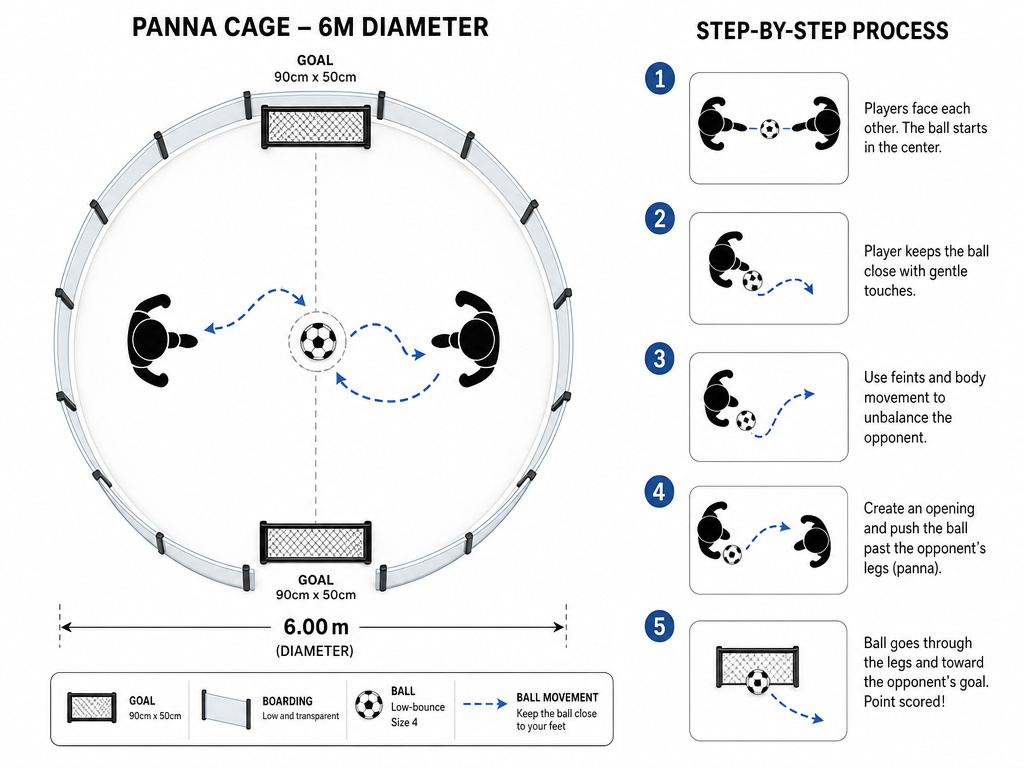
You don’t need a full-sized pitch. The cage defines the game.
Dimensions vary, but the most common specification for a 1v1 cage is a 6-meter diameter circle. For 2v2, it often expands to an oval roughly 6 by 9 meters. The Panna Knockout tournament uses a distinctive 7-meter diameter octagon for all stages. The goals are small; sizes vary, with Panna Knockout using 100 × 60 cm goals and DNA Of Sports recommending 90cm x 50cm goals. The recommended setup is a 6m diameter cage with 90x50cm goals.
The recommended official panna cage is 6 diameter with two goals of 90cm x 50cm.
The boarding or netting around the cage is kept low to keep the ball in play. This is crucial, a ball that hits the boarding before going through an opponent’s legs does not count as a panna. The play must be direct.
As for the ball, the universal choice is a low-bounce size 4. Using a standard high-bounce match ball is a common mistake that makes controlling the ball in tight spaces nearly impossible. The right ball stays close to your feet, enabling the quick touches and feints that define top-level street football.
The Culture and Philosophy: More Than Just a Game
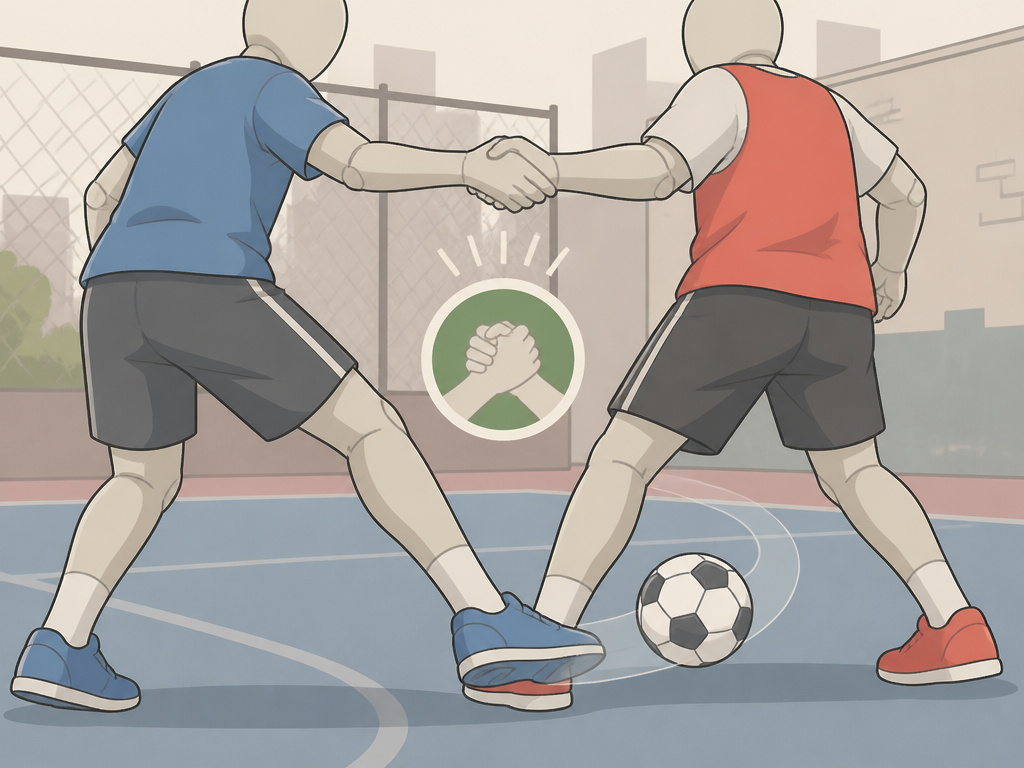
Panna football isn’t just a set of rules; it’s a culture with a clear code of conduct. This is where it diverges sharply from the aggressive tackles of regular football.
The core values, as outlined by Panna Knockout, are Respect/Fair Play, Creativity/Entertainment, and Community/Learning. You shake hands before and after. You don’t gloat excessively after a win, or a devastating panna. You take a panna with class. The focus is on showcasing skill, flair, and style, not brute force.
Common mistake: Using your body to bully an opponent off the ball. This isn’t a contact sport. A referee will stop play for any force that “breaks the technical game,” and repeated offenses can lead to a goal being awarded to your opponent.
A Brief History: From Suriname to the World
Frequently Asked Questions
What’s the difference between a panna and a nutmeg?
The skill is the same thing: playing the ball through an opponent’s legs. “Nutmeg” is the common English term, while “panna” comes from Surinamese Dutch. However, “panna” also refers to the organized 1v1 cage game where that skill is the ultimate objective.
Do you need to get the ball back after a nutmeg for it to count?
It depends on the rule set. Under Panna Knockout and Rabona Panna rules, you do not need to regain possession, the nutmeg itself is the win. Other tournaments may require you to control the ball afterward. Always check the specific rules before you play.
How long is a panna football match?
The standard 1v1 match is 3 minutes of active play. The clock stops when the ball leaves the cage. If the score is tied after regulation, most formats have a 1-minute overtime period, followed by a sudden-death “golden goal” if needed.
Is physical contact allowed in panna?
Only very limited contact. The rules emphasize technical play. Shielding the ball with your body is allowed, but pushing, holding, or tackling with force is a foul. In some rule sets, like those from scoreroom.com, physical contact is explicitly “not allowed.”
Can you score from anywhere on the cage?
Yes. There is no offside and no restricted zones. If you can beat your opponent and put the ball in the goal from your own end of the cage, it counts.
Before You Go
So, is panna football just a trick-shooting contest? Not even close. It’s a legitimate, pressure-packed sport that tests nerve, creativity, and technical precision in its purest form. Whether you’re watching a world championship final or just trying it with friends in a park, the thrill is the same: the hunt for that one perfect move that ends it all.
