
High Top vs Low Top Football Boots: Which Should You Buy?
This post contains affiliate links. As an Amazon Associate, we earn from qualifying purchases.
High-top football boots limit ankle dorsiflexion and inversion, weigh more, and feel less comfortable, while low-top boots are lighter, more mobile, and preferred for ball feel, performance in sprint and agility drills is unaffected by collar height. For most footballers without a specific ankle-injury mandate, a low-top or mid-top is the better choice.
That finding comes from a peer-reviewed field study that measured everything from 60-yard dash times to perceived stability. The difference involves measurable centimeters of restriction, grams of extra weight, and a genuine trade-off between what your ankle can do and what your knee might endure, a core consideration in the high top vs low top football boots debate.
What follows: the exact weight and height specs that define each cut, the surprising data on performance and comfort, and the one question about knee ligaments that changes the entire high-top recommendation.
Key Takeaways
- Performance in speed and agility drills shows no difference between high-top, mid-top, and low-top cleats, collar height is not a performance factor.
- High-top boots limit ankle dorsiflexion and inversion by design, which may offer theoretical ankle protection but can also shift stress to the knee ligaments.
- Players consistently rate high-top cleats as less comfortable and heavier than low-top or mid-top versions, with comfort scoring a statistically significant p-value of 0.005.
- The weight difference is real: in one study, high-top cleats weighed 546g, mid-tops 502g, and low-tops 457g, nearly a 90g penalty for the high collar.
- For most players, a mid-top cleat offers the best practical compromise, matching low-top performance and comfort while providing a stability perception closer to a high-top.
The 3 Real Differences: Weight, Motion Limitation, and Perceived Stability
High-top cleats (Nike Land Shark) have a malleolar notch height of 17.5 cm and weigh 546 g. Mid-top versions measure 11.5 cm at the notch and weigh 502 g, while low-tops sit at 10.5 cm and weigh 457 g. These design parameters directly influence ankle range of motion and player perception.
Forget marketing about lockdown and integration. When you compare a high top vs low top football boots, the physical differences between boot cuts boil down to three measurable things you can put a number on. The first is weight. In a controlled study using Nike Land Shark cleats, the high-top model tipped the scales at 546g. The mid-top was 502g, and the low-top was 457g. That’s nearly 90 grams added by the high collar. Your leg lifts that weight thousands of times a match.
The second difference is mechanical restriction. That extra collar height is a physical barrier. The same study found high-top cleats significantly limited ankle dorsiflexion and inversion compared to the low-top and mid-top versions. Dorsiflexion is pointing your toes up; inversion is rolling your ankle inward. A high-top boot physically blocks those motions. That’s the source of the “support” claim. It’s not magic. It’s a wall.
The third difference is in the player’s head. Athletes in the study perceived both mid-top and high-top cleats as more stable than low-tops. But the statistical confidence for that overall stability perception was borderline (p = 0.065). The stability perception for mid-top over low-top was statistically significant (p = 0.037). The high-top was rated as less comfortable (p = 0.005) and heavier (p = 0.001). So the feeling of stability comes with a very real feeling of bulk.
What the Boot Height Studies Actually Tell Us
The most common question is simple: do high-top boots make you slower? The answer from the field is a definitive no. Researchers put athletes through agility and sprint drills wearing low, mid, and high-top cleats. The stopwatches told the same story every time: performance was not influenced by shoe height.
Speed and agility come from your muscles, your technique, and the stud configuration gripping the ground. The collar around your ankle doesn’t enter the equation for straight-line or change-of-direction speed. This is crucial. It means choosing a higher cut for “performance” is chasing a ghost. The performance argument is dead.
The live research on high top vs low top football boots shifts the debate to injury and feel. The study suggests high-tops may “yield ankle prophylaxis benefits” by limiting those dangerous inversion and dorsiflexion motions. But it immediately complicates that by citing other retrospective studies on American football cleats that found no association, and even a negative association, between high-top cleats and actual ankle injury rates during play. The researchers note confounding factors like ankle taping, which is ubiquitous at higher levels.
Where this goes sideways: Assuming high-top boots are a silver bullet for ankle safety is problematic. Research is conflicted: one field study suggests they may yield ankle benefits, while a systematic review warns the restrictive design may shift stress to the knee.
This is where a systematic review of boot design adds a critical warning. It concludes that while collar height augments ankle stability, it may induce compensatory knee torsion. The body still needs to rotate during cuts and pivots. If the ankle can’t move as designed, that rotational force has to go somewhere. Often, it goes to the knee, “shifting failure proximally and increasing knee-ligament trauma likelihood.” You might protect your ankle only to ask more of your ACL.
High-Top Boots: When the Data Says They Make Sense
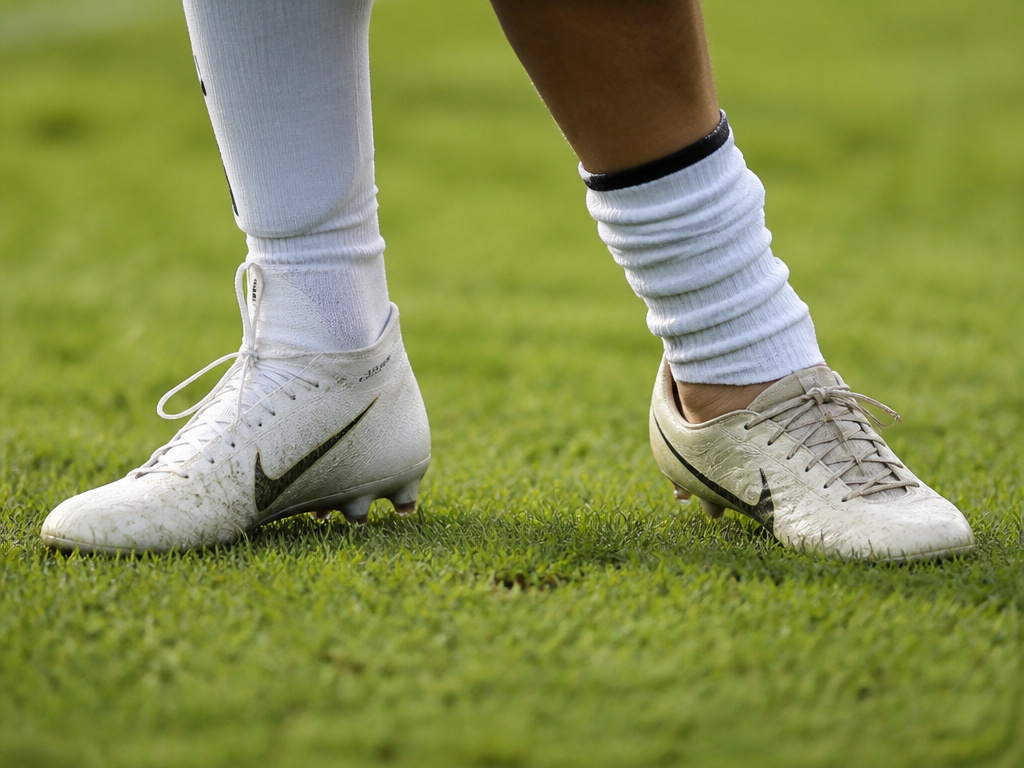
Given the weight penalty and comfort hit, who should genuinely consider high-top boots? The data points to two specific scenarios.
The first is for a player under strict medical instruction to limit ankle range of motion. If a physio or surgeon has mandated minimal dorsiflexion or inversion during a return-to-play protocol, a high-top boot acts as a built-in reminder and physical block. It’s a tool for a specific, temporary rehabilitation goal.
The second scenario is for a player whose psychological comfort is tied to that feeling of maximal enclosure. If the sensation of a high collar provides a tangible confidence boost that outweighs the discomfort, that’s real. The study shows the stability perception is there, even if the performance isn’t. For a player with a history of ankle sprains who hasn’t rebuilt full proprioceptive trust, that mental edge can matter. But pairing them with a dedicated ankle-strengthening program is essential.
| Scenario | High-Top Benefit | The Caveat |
|---|---|---|
| Post-ankle injury rehab | Limits specific, prescribed motions | Must be part of a supervised plan; not a permanent fix |
| Psychological need for max support | Boosts perceived stability | Comes with proven comfort and weight penalties |
| Position requiring frequent deep blocks | May restrict extreme inversion | No evidence it improves tackling or blocking performance |
For everyone else, the downsides are too consistent. The Nike Tiempo Ligera Pro is a low-top cleat with a TECHLEATHER upper and conical studs intended for dry, natural-grass fields. It embodies the low-top philosophy: minimal interference. When you look at a boot’s football boot fit guide, the collar is just one part of the equation; the last width and heel lockdown often matter more for real stability.
Low-Top and Mid-Top Boots: Why Most Players Should Start Here
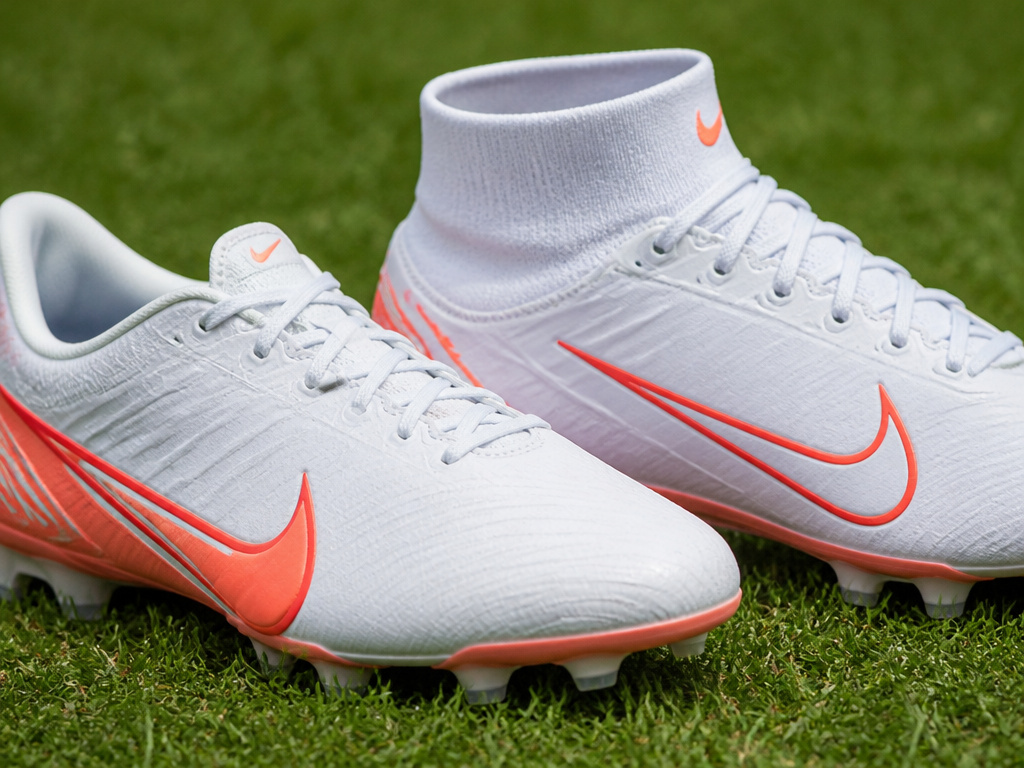
Low-top boots are the default for a reason. They represent the baseline design from which other cuts are deviations. The data backs up their popularity. They are the lightest option, they scored highest for comfort, and they imposed no performance penalty. For a winger relying on explosive acceleration or a midfielder who values a clean first touch, the lack of restriction is a feature.
It’s a more direct connection. Brands like New Balance focus on ultra-lightweight low-top designs, with some AW26 models weighing as little as 197g. That’s similar to a running shoe. This obsession with boot weight isn’t marketing fluff; shedding grams reduces leg fatigue over 90 minutes.
But the field study revealed a dark horse: the mid-top. It split the difference perfectly. The mid-top cleats weighed 502g, offered performance identical to lows and highs, were rated as comfortable as low-tops, and were perceived as more stable than low-tops. This is the compromise that actually works. It provides a slight physical cue and psychological bolster without the major drawbacks.
If you’re looking at the best football boots today, you’ll notice most flagship models come in low or mid cuts. The high-top is a specialist option. Mid-top cleats, such as the mid-top version of the Nike Land Shark used in the study, provide a higher collar without the full height of a high-top. It’s the pragmatic choice.
Position, Pitch, and Personal History: How to Choose
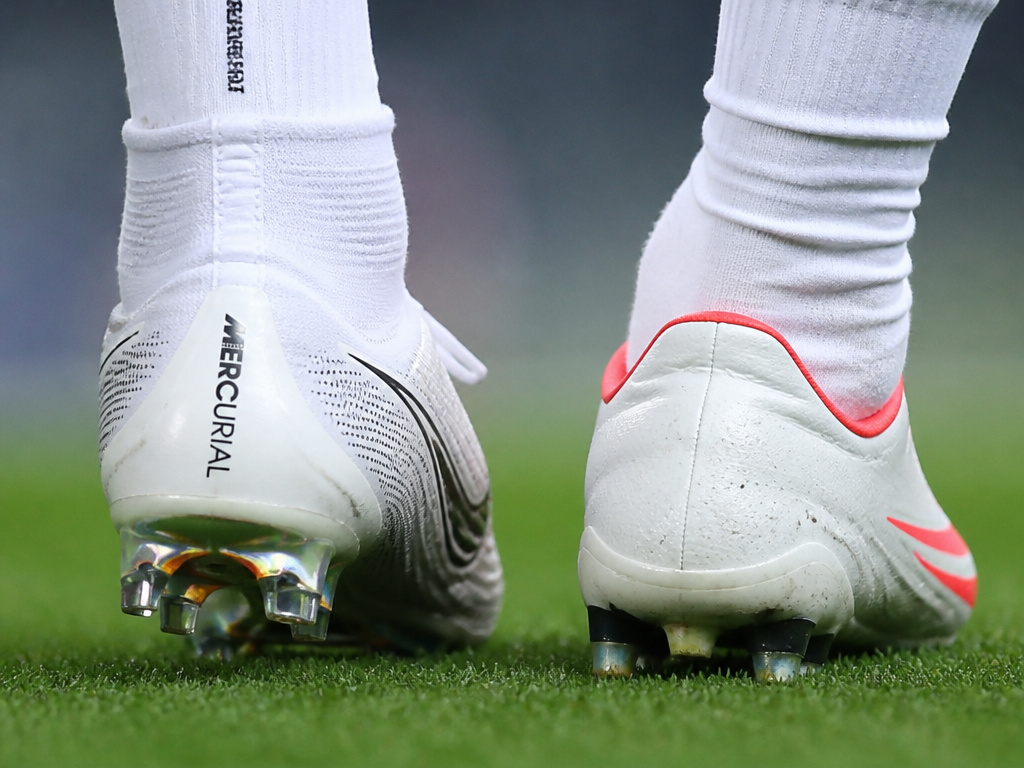
With the science laid out, your decision comes down to your personal context. Here is how to decide.
Your Position: The old adage that defenders need high-tops and attackers need low-tops is mostly myth. A centre-back making recovery sprints benefits from light weight. A striker jumping for headers might appreciate a hint of ankle proprioception from a mid-top. Don’t let your position pigeonhole you. Focus on the movement demands you actually execute.
Your Pitch: This is critical and often overlooked. The systematic review is blunt: screw-in soft-ground studs and bladed studs generate dangerous “foot-lock” rotational torque, linked to ACL and ankle injuries. Your stud type and soleplate stiffness are far greater injury factors than collar height. Match your studs to the surface first. A low-top with correct, rounded conical studs on firm ground is safer than a high-top with aggressive blades on dry turf.
Your Injury History: This is the only trump card.
- History of ankle sprains: Focus on strengthening your peroneal muscles and improving balance. A mid-top may offer a helpful perceptual cue, but don’t use it as a crutch. Consider an ankle brace paired with a low-top boot for a more tailored, adjustable support.
- History of knee issues (ACL, etc.): Be cautious with high-tops. The research suggesting a shift of stress to the knee is a real red flag. A low-top boot that allows natural ankle motion may help distribute force more evenly. Discuss this with a physiotherapist.
- No significant history: You are free. Choose for comfort, weight, and feel. For most, this leads to a low-top or mid-top.
The material of the upper also plays a role in the support structure. Traditional leather football boots often provide more inherent structure and mold to your foot, while modern synthetic and knit football boots prioritize stretch and a second-skin fit, which can affect how the collar interacts with your ankle.
Which football boot cut is best for my position?
Research shows agility and sprint performance is not influenced by shoe height, so the choice isn’t about speed. The decision hinges on a trade-off between stability and freedom of movement. Players who prioritize a natural touch and lightness, like many attackers and wingers, often prefer low-top boots for their feel on the ball. Defenders or midfielders who value perceived ankle stability during tackles and sharp changes of direction might lean towards mid-top or high-top models. However, high-top cleats are heavier and less comfortable, and their ankle support may shift stress to the knee. A mid-top can offer a balance, providing stability similar to a high-top while maintaining comfort closer to a low-top.
Can I use an ankle brace with low-top football boots?
Yes, using an ankle brace or tape with low-top cleats is a common strategy for players seeking extra support without switching to a high-top model. This approach allows you to maintain the lighter weight and greater ankle mobility of a low-cut boot while adding external stability. It’s a practical solution for managing existing ankle concerns or for players who feel more confident with added reinforcement. Ensure the brace or tape application is secure but doesn’t restrict your movement to the point of discomfort or alter your natural gait. This method allows you to adjust your level of support regardless of your boot’s collar height.
Frequently Asked Questions
Are high-top or low-top cleats better for football?
Based on performance data, neither is “better.” High-top cleats limit ankle motion and are perceived as more stable but are heavier and less comfortable. Low-top cleats are lighter, more comfortable, and restrict nothing. Since sprint and agility performance is identical, the choice is a personal trade-off between perceived security and unencumbered movement.
Do football players wear high-top cleats?
Yes, but they are a minority choice at the professional level. The vast majority of elite players wear low-top or mid-top boots. High-tops are occasionally seen, often on players with specific past ankle injuries or personal preference, but they are far from the standard. The performance and comfort penalties are significant at a level where marginal gains are everything.
What is the difference between high-top and low-top football boots?
The physical differences are collar height, weight, and range-of-motion restriction. A high-top boot has a collar that extends over the ankle bones (17.5 cm notch height in one study), weighs more (546g vs 457g for a low-top), and physically blocks ankle dorsiflexion and inversion. A low-top sits below the ankle bones, is lighter, and allows full natural motion.
Do high-top boots prevent ankle sprains?
The scientific evidence is conflicting. Laboratory studies show they limit the motions that cause sprains. However, retrospective studies of actual American football games found no clear protective effect. Experts suggest any benefit may be offset by reduced proprioception or increased stress on the knee. They are not a guaranteed prevention tool and should not replace strength training and proprioceptive work.
Are mid-top cleats a good compromise?
The field study data suggests mid-top cleats are an excellent compromise. They matched low-top and high-top performance in all drills, were rated as comfortable as low-tops, and were perceived as stable as high-tops. For a player wanting a slight security feel without major drawbacks, the mid-top is the most balanced option.
Before You Go
The data forces a clear conclusion. Unless you have a specific, current medical reason to restrict your ankle motion, the best boot for you is very likely a low-top or a mid-top. The high-top’s promise of safety is muddled by conflicting studies: some suggest potential ankle benefits, while others warn of a possible shift in risk to the knee. Its tangible costs in weight and comfort are proven.
Spend the mental energy you’d use worrying about collar height on something that actually matters: finding a boot that fits your foot shape perfectly, and matching the stud configuration to the pitches you play on 90% of the time. Your proper football boot fit and stud choice are orders of magnitude more important for performance and safety than the cut of the collar.
Zoom out for a second. The best protection against injury is a strong, stable body. A robust strength and conditioning program will do more for your ankles and knees than any boot design ever could. Choose the boot that feels like an extension of your foot, not a cage for it. Then go build the foundation that allows you to play without fear.
