
Football Compression Gear Pros and Cons: Is It Worth It?
This post contains affiliate links. As an Amazon Associate, we earn from qualifying purchases.
Football compression gear works by applying graduated pressure to reduce muscle vibration during activity. The science shows this can aid recovery between bouts of exercise but finds little evidence it prevents injuries, reduces soreness, or directly boosts high-intensity performance on the pitch. The main trade-off is thermoregulation, the tight fit can significantly increase skin temperature and sweat rate, a critical factor under football pads.
In football, we’re always looking for an edge, something that makes us feel faster, recover quicker, or just a bit more supported. Compression gear looks the part, all sleek and technical. But the story the research tells is more complicated than the marketing, which is why it’s useful to consider football compression gear pros and cons.
What follows is a walk through the science, the specific pressures, the conflicting studies, and the real-world football compression gear pros and cons. We’ll separate the clear signals from the noise, cover the types you’ll see, and land on a practical approach for choosing and using it.
Key Takeaways
- The most consistent scientific finding is that compression reduces muscle oscillation during exercise, which might aid proprioception and short-term recovery.
- Multiple high-level reviews find no evidence that compression gear prevents lower extremity injuries or reduces subjective ratings of fatigue and soreness in healthy athletes.
- A thermal manikin study predicted that multi-layer football compression gear significantly increases skin temperature and sweat rate, a major potential downside for players already overheating under pads.
- If you’re dealing with a specific, ongoing issue like groin pain, zoned high compression shorts have shown promise in reducing pain during activity in one study of players with existing groin pain, while other research found no effect on leg soreness in youth soccer players.
- For most players, the benefit is likely psychological and comfort-based. Proper fit is essential; ill-fitting gear offers no benefit and increases discomfort.
The Science of Squeeze: What Compression Actually Does
To understand this, we should go back a moment. What are we asking these tight sleeves and shirts to do? The theory is elegant: graduated pressure, tightest at the extremities, looser moving up, improves venous return, reduces muscle vibration (or “oscillation”), and enhances proprioception, that sense of where your limb is in space.
Compression garments are consistently reported to reduce muscle oscillatory properties during exercise. However, a large majority of studies show no effect on ground reaction forces during landing, and joint range of motion appears to be largely unchanged.
That blockquote from a major systematic scoping review on compression is the technical core. The squeeze dampens the jiggle. Think of it like the differential on a car managing power; the gear is trying to manage the micro-vibrations from foot strikes and cuts. The review found this was the most consistent biomechanical outcome.
But here’s where the story gets interesting. Reducing that oscillation didn’t reliably change how much force went through the joint on a landing, and it didn’t magically make ankles or knees more flexible. So the “support” isn’t structural, like a brace. It’s more about managing the soft tissue chatter.
This is the first big disconnect. The feel is one of tight support, but the measurable, load-bearing mechanics often don’t shift. I’ve talked to Sunday league players who swear their knees feel better in sleeves, and I believe them. The sensation is real. Whether that sensation translates to a quantifiable, long-term protective effect for a healthy athlete is where the science gets murky.
Where the Evidence Is Thin (Or Missing Entirely)
The promises that often hook us are about injury prevention and banishing soreness. The research here is blunt.
A systematic review with meta-analysis on compression garments specifically looked for an effect on injury rates. Its conclusion was clear: it found no evidence that lower leg compression garments affect the incidence of (recurring) lower extremity injuries in athletes. A systematic review with meta-analysis found “no evidence favouring compression garments over non-compression garments or placebo garments” for subjective ratings of fatigue during or after running.
On soreness, a study on youth soccer players using full-leg sleeves (25 mmHg at the ankle, 19 mmHg at the calf and thigh) found no effect on leg soreness (DOMS). The study on youth soccer players used a 90-minute passive recovery period in ambient conditions of 20°C–22°C and 40%–50% relative humidity and found no effect of the sleeves on leg soreness (DOMS).
| Claim | What the Research Says | Certainty |
|---|---|---|
| Reduces Muscle Vibration | Strong, consistent evidence across studies. | High |
| Prevents Injuries | No studies found investigating this direct link. | Very Low |
| Reduces Fatigue/Soreness | Meta-analyses show no evidence of effect in healthy athletes. | Low |
| Improves High-Intensity Performance | No improvements in VO2max, RPE, or repeated sprint performance found at high intensity. | Low |
So, if it’s not a shield against injury or a magic eraser for next-day pain, what’s left? The recovery window.
The Recovery Window: Where Compression Might Help
This is the nuance most general articles miss when discussing football compression gear pros and cons. The benefit isn’t during the 90th-minute sprint; it’s in the hour after you come off the pitch before you have to go again.
One original research study isolated this perfectly. It looked at wearing compression garments during a 60-minute recovery period between two bouts of endurance exercise. The finding? Compression “appears to be beneficial for performance output in the second bout.” The mechanism isn’t about boosting power; it’s about mitigating the drop-off.
Think of a double training session or a tournament with quick turnarounds. The gear might help you maintain a higher level in that second session by aiding circulation and reducing swelling in the short term. But, and this is a massive but, the same body of research shows this effect vanishes over longer recovery periods. Another study found repeated sprint performance after a 48-hour recovery period wearing compression tights had no effect.
The part nobody mentions: The recovery benefit has a short half-life. It’s for the hour between sessions, not the two days between Saturday’s match and Monday’s training.
This matches the real-world pattern you see: pros wearing compression on the bench or right after a match, not necessarily during the entire 90 minutes. They’re targeting that specific, acute recovery window.
The Heat Equation: Football’s Specific Downside
Here’s the football-specific wrinkle that changes the calculation. We don’t play in a temperature-controlled lab. We play in the rain, cold, and, crucially, blazing sun. And we wear pads.
A thermal manikin study modeled what happens when you add a multi-layer football compression girdle under practice and game conditions. The prediction was significant: increased skin temperature, increased core temperature, and a higher sweat rate compared to wearing standard boxer briefs.
That’s not a minor side note. For a sport where heat management is a genuine performance and safety issue, adding a layer that traps heat and increases fluid loss is a serious trade-off. The “local benefit” of reduced muscle vibration might be completely negated by the “whole-system cost” of faster overheating.
You’ve felt this if you’ve ever worn a tight baselayer on a hot day. That damp, clingy feeling isn’t just uncomfortable; it’s your body working harder to cool down. Under shoulder pads and a helmet, that effect is amplified. This is the most compelling argument against wearing full compression gear for an entire match in warm conditions.
Types of Football Compression Gear and What They’re For
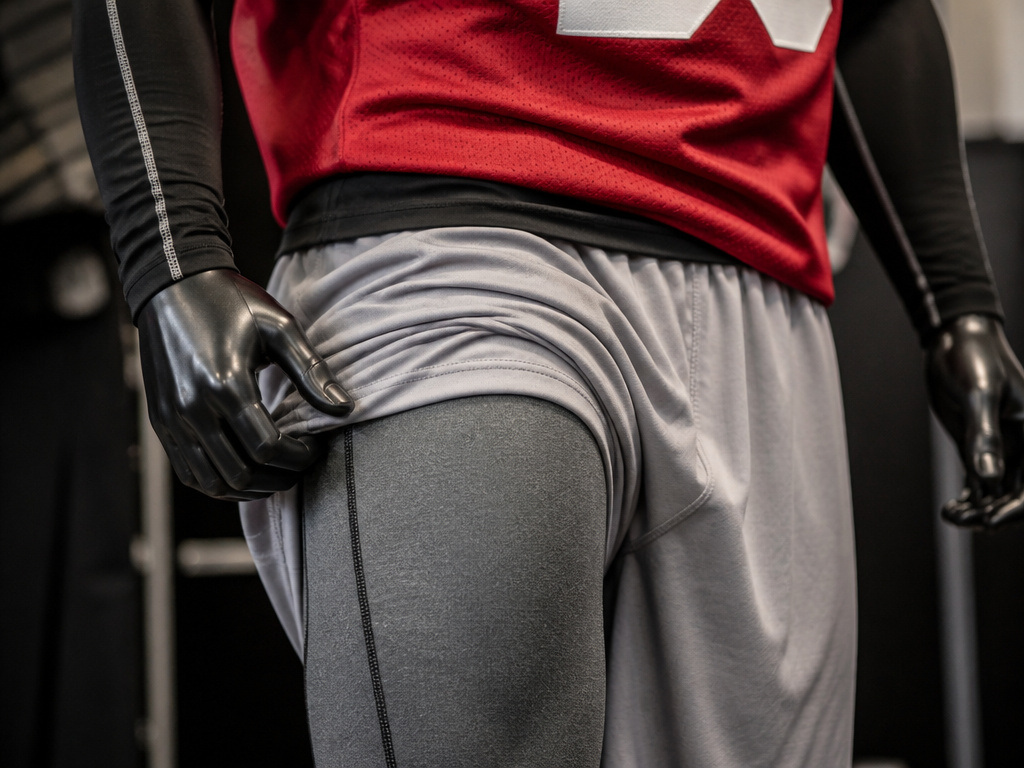
Knowing the science, you can look at the gear aisle with clearer eyes. It’s not about “good” or “bad”; it’s about matching the tool to the job.
- Compression Sleeves (Calf/Arm): The most targeted option. Calf sleeves aim at the lower leg muscles most involved in running and jumping. The research on them is mixed, but they’re less likely to cause overheating than full leggings. Arm sleeves are often more about sun protection, minor abrasion protection, and, let’s be honest, the look.
- Compression Tights/Leggings: These are for lower-body muscle groups. They’re popular for recovery wear post-exercise or under looser training pants in cold weather. The overheating risk is higher here, so I’d avoid them for full-match use unless it’s very cold.
- Compression Shirts/Baselayers: These aim to support the core and upper body. Like other base layers, they can wick sweat, but the compression element’s benefit for football-specific torso muscles is less studied. They can also be a source of under-pad chafing if the seams are in the wrong place.
- Zoned/Targeted Compression: This is the interesting edge case. One study on amateur footballers with existing groin pain tested “zoned high compression shorts” against normal gear. The zoned compression reduced pain during agility and shooting tests. This points to a use case: managing a specific, ongoing issue rather than general prevention.
When you’re looking at training gear, compression pieces can have a place in colder weather or for that post-training recovery period. Brands like Nike, Adidas, and McDavid all offer lines, but the fit and seam placement matter more than the logo.
How to Choose and Use Compression Gear (If You Do)
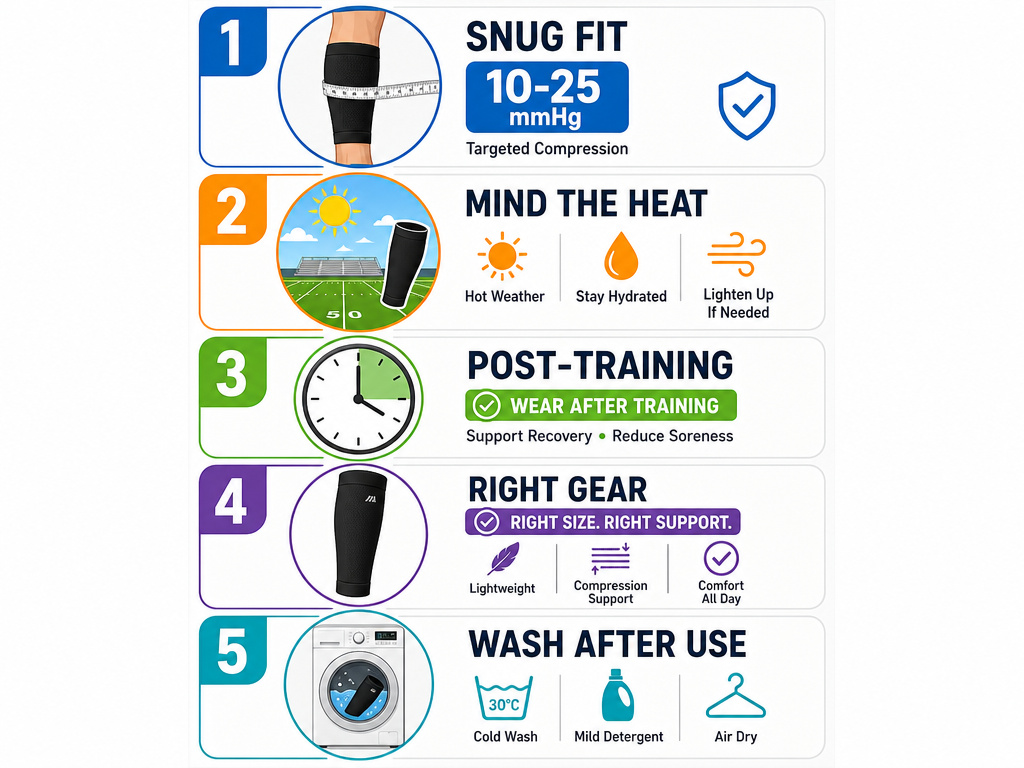
If you’ve weighed the pros and cons and want to try it, here is how to do it smartly. This is how to do it smartly.
Fit is Everything. Compression is measured in millimeters of mercury (mmHg). Medical-grade levels start around 15-20 mmHg. Most sports gear is in the 10-25 mmHg range. It should feel snug, like a firm hug, not restrictive. You shouldn’t see skin bulging over the edges, and it shouldn’t cut off circulation or leave deep red marks after you take it off. Try it on and move, squat, lunge, jog on the spot.
Mind the Heat. This is the football-specific rule. On a hot day or during a long, intense match, reconsider full-length compression. Maybe opt for sleeves instead of tights, or skip it entirely. Your body’s ability to cool itself is a performance asset you don’t want to compromise. Pair any compression layer with a solid hydration strategy.
Time It Right. Align the gear with the evidence. If you want to test the recovery benefit, wear it after training or during a short turnaround. Don’t expect it to make you faster in the 85th minute; the studies on high-intensity exercise show no performance boost there.
Start Small. Don’t kit yourself out head-to-toe. Pick one area, maybe calf sleeves for your sore calves, and see if you notice a difference in how you feel during recovery. It’s a tool, not a uniform.
Listen to Your Body (And Your Nose). This stuff gets sweaty and can hold bacteria. The tight fit can also irritate skin. Wash it after every use. If you get a rash, chafing, or just find it unbearably hot, that’s your body giving you the real data. No study overrules that.
How to Choose and Fit Football Compression Gear
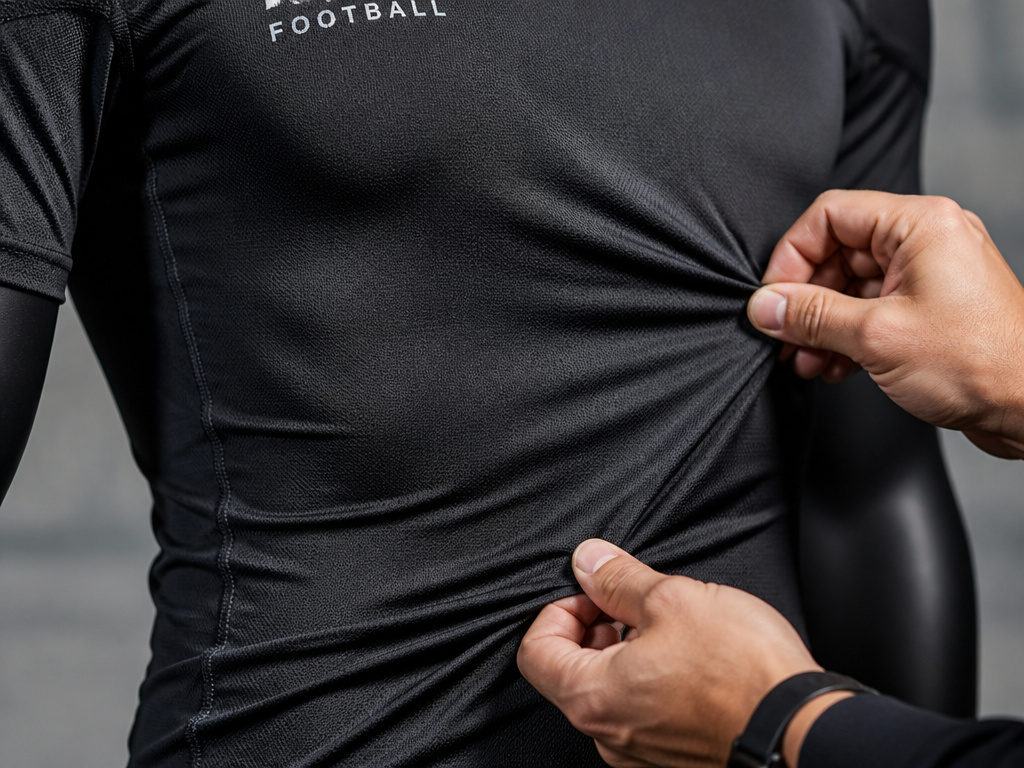
Focus on fit and feel over performance promises. The primary physical effect supported by research is reduced muscle oscillation during activity. For fit, aim for consistent, snug pressure without constriction. It should feel supportive and stay in place during movement. Since studies show no effect on joint range of motion, ensure your mobility isn’t restricted. Consider the activity; compression worn during a short recovery period may aid subsequent performance, but evidence for long-term recovery or reducing soreness is lacking. Prioritize comfort and a secure fit that works for your position and movement patterns.
Frequently Asked Questions
Do NFL or pro football players wear compression gear for performance?
Many do, but the reasons are layered. Some wear it for the potential short-term recovery benefits between drives or after games. Some prefer the sensory feedback and muscle feel. A lot of it is also habit, sponsorship, and personal preference. The key is that pros have everything from cryotherapy to massage available; compression is one small piece of their recovery puzzle, not the foundation.
How long should you wear compression gear after football?
The research supporting recovery benefits focuses on relatively short windows, 60 to 90 minutes post-exercise. There’s no evidence that wearing compression for hours or sleeping in it provides additional benefit. A practical approach: wear it for the ride home or for an hour or two after you shower, then take it off.
Can compression gear help prevent hamstring or groin strains?
There is no direct scientific evidence that compression prevents muscle strains. The theory that reduced muscle oscillation could lower risk is plausible but unproven. For groin issues, zoned compression shorts have shown promise in reducing pain in players already experiencing groin pain, which is different from prevention.
What’s the difference between compression gear and a regular baselayer?
Baselayer’s primary job is moisture management, wicking sweat to keep you dry. Compression gear adds the element of graduated pressure. Many garments combine both, but you can have a non-compressive, tech-fabric baselayer that’s great for warmth and wicking without the tight squeeze.
Is it bad to wear compression gear all the time?
For healthy circulation, it’s not recommended to wear true compression gear 24/7 unless prescribed medically. Your skin needs to breathe, and constant pressure isn’t necessary for athletic benefits. Use it strategically around training and matches, not as day-to-day underwear.
Before You Go
The compression gear story is a classic football tale: a simple, appealing idea meets the messy, complicated reality of human bodies and sport. The squeeze isn’t a silver bullet. It won’t make you injury-proof or turn fatigue into freshness.
The clearest win is in that acute recovery window. The biggest caution is the heat. If you like the feel and it gets you in the right headspace, that’s a valid reason to wear it, the psychological edge is real. But if you’re pulling on a compression baselayer on a sweltering day just because the pros do, you might be solving a problem you don’t have while creating one you do.
So, try it if you’re curious. Pay attention to the fit and the temperature. And watch the left-back, not for his gear, but for his movement. The real performance, as always, is in the player, not the fabric.
