
10 Best Cameras For Football Videography in 2026
This post contains affiliate links. As an Amazon Associate, we earn from qualifying purchases.
Our best overall camera for football videography is the Sony Alpha a7 IV for its reliable Real-time Eye-AF that tracks players during the run of play. The XbotGo Chameleon wins our AI tracking award for hands-free operation, while the Panasonic LUMIX G97 is the top choice for unlimited recording.
Filming a fast-paced football match requires a camera that can keep up with the action. The appropriate choice varies for a professional filmmaker, a coach analyzing plays, or a parent in the stands. This comparison of ten cameras considers autofocus performance, video quality, handling on the sideline, and value for the task.
Top 10 Cameras For Football Videography in the Market
Certain content that appears on this site comes from Amazon. This content is provided "as is" and is subject to change or removal at any time.
The Best Cameras For Football Videography, Reviewed
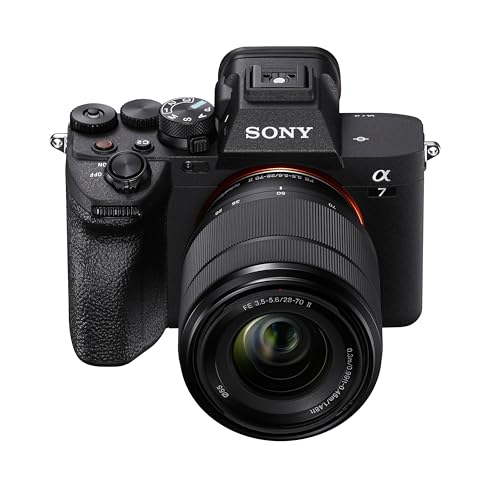
Sony Alpha a7 IV Mirrorless Camera
What We Like
- Reliable Real-time Eye-AF tracks players during play
- Advanced video features like Focus Map and S-Cinetone
- 33MP full-frame Exmor R sensor
Trade-offs
- At 3.3 pounds, it's heavier than many mirrorless bodies
- Advanced feature set requires time to learn and configure
Its Real-time Eye-AF locks onto athletes smoothly, letting you concentrate on framing the decisive moment during a fast break or a set piece. This combination of high-resolution stills, professional video specs, and trustworthy autofocus makes it the most complete tool for covering everything from Friday night lights to Sunday league, providing a file that’s ready for cinematic highlights.
The camera with its lens weighs 3.3 pounds, which is more than some compact models like the Panasonic LUMIX ZS300. A smaller camera may be preferred when absolute portability is the primary concern. The Sony Alpha a7 IV includes advanced movie features such as S-Log3.
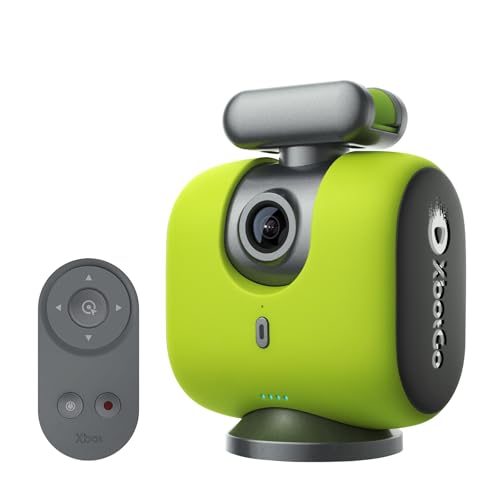
XbotGo Chameleon AI Sports Camera
What We Like
- Hands-free AI tracking for key players
- Direct live streaming with a single tap
- No subscription fees for core features
- Extended 8-hour recording capability
Trade-offs
- Fixed 120° lens lacks optical zoom flexibility
- Requires smartphone app for full control
Its AI-powered FollowMe Mode is the core feature, letting you set the camera down and have it automatically track a specific athlete throughout the game. This makes the XbotGo Chameleon ideal for parents on the sideline or coaches who want to capture every move of a key player without operating the camera themselves. You get crisp 4K/60fps footage and the ability to go live on social platforms instantly, all managed through a subscription-free app that includes handy tools like a live scoreboard.
Its primary function is automated, hands-free recording for team sports, so a coach or parent can focus on the game instead of operating a camera. The system uses AI tracking to follow key players, which aligns with its design for soccer and basketball. For different types of filming that require changing lenses, a mirrorless camera like those listed offers alternative hardware.
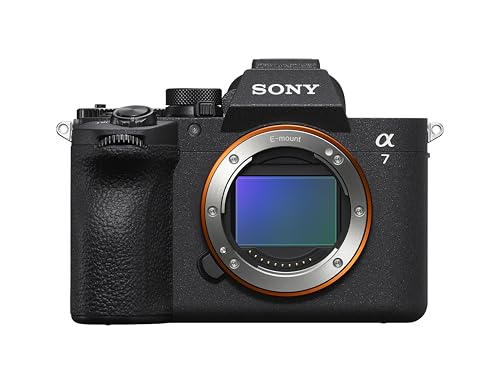
Sony Alpha a7 V Mirrorless Camera
What We Like
- Blackout-free 30fps bursts for capturing peak action
- Advanced AI autofocus with human pose estimation
- High-quality 4K 120p slow-motion video
- Effective in-body stabilization for handheld shooting
Trade-offs
- Complex feature set requires time to master for optimal use
- Body weighs 1.4 pounds before adding a lens
The ability to shoot blackout-free at 30 frames per second means you’ll never miss a crucial tackle or goal-scoring moment, even in the fastest-paced match. This is the core of its high-speed performance. Combined with Sony’s advanced AI autofocus that reliably tracks players by their body and head position, it ensures your subject stays sharp no matter how chaotic the play gets. For the videographer who demands absolute certainty in capturing every split-second of the game, this camera delivers.
Sony’s Alpha a7 V delivers blackout-free bursts at up to 30 frames per second with autofocus tracking, which means you can capture rapid sequences in sports without losing sight of the action. Its AI-based Real-time Recognition AF improves subject recognition by approximately 30% over the a7 IV, allowing the camera to reliably track human eyes and body position even with challenging subjects. This combination of speed and intelligent autofocus is built around a full-frame sensor, a format typically associated with larger, more comprehensive camera systems.
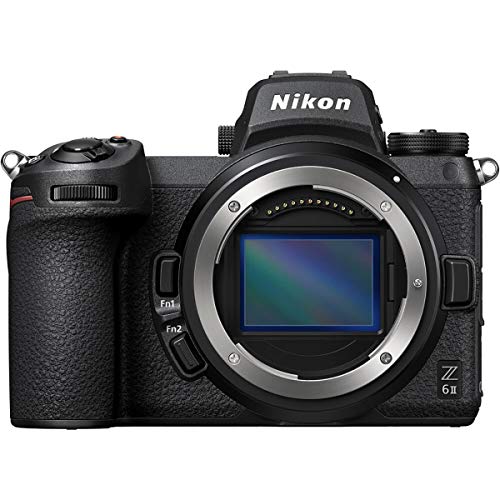
Nikon Z 6II Mirrorless Camera
What We Like
- Full pixel readout for high-quality 4K video
- Dual card slots for backup during important shoots
- USB-C power for uninterrupted livestreams and video
- Compatible with hundreds of F-mount lenses via adapter
Trade-offs
- Full-frame lens system requires a significant investment
- 1.4-pound body needs support for extended handheld filming
- Optical zoom is a 1.0x multiplier, relying on lens changes
This versatile full-frame camera delivers 4K UHD 60p video, which is crucial for capturing the fast, fluid motion of a match with exceptional clarity. It’s for the sideline shooter who needs one tool to grab crisp 14 FPS stills of a decisive tackle and then immediately switch to cinematic slow-motion game footage. The thoughtful design includes constant USB-C power, letting you run a live stream from the stands or record a full tournament without worrying about the battery dying during extra time.
To exploit this full-frame sensor for sports, you’ll be investing in long telephoto lenses, which adds to the overall kit’s cost and weight. The camera’s dual card slots provide flexibility and peace of mind when shooting important moments or on assignment, such as wedding and event photography. Its exterior and interior have been thoughtfully designed to be handled and used with maximum comfort and ease of operation, making it a professional-grade tool that grows with your skills.
Canon EOS R50 Mirrorless Camera

What We Like
- Fast 15 fps shooting for capturing rapid plays.
- Intelligent autofocus tracks people and vehicles reliably.
- High-quality, uncropped 4K video from 6K oversampling.
- Lightweight and compact for easy handling on the sideline.
Trade-offs
- APS-C sensor provides less low-light flexibility than full-frame.
- Kit lens has a variable aperture of F4.5-6.3.
Capturing fast breaks and decisive tackles requires a camera that can keep up, and the Canon R50’s 15 frames-per-second continuous shooting does exactly that. It pairs this speed with an autofocus system that uses deep learning to lock onto players and stay with them, even as they weave through traffic. For the videographer on a budget, it also delivers crisp, detailed 4K footage. This combination of core performance features makes it a standout entry point for filming youth or grassroots football, where you need reliability without a massive investment.
The camera uses a 24.2 Megapixel APS-C sensor. Research mentions that compared to cameras with higher-resolution sensors, there is less latitude for cropping into images without losing detail. It also states that low-light performance is not as pliable as some alternatives.
Nikon D7500 DSLR Camera

What We Like
- Class-leading high ISO performance for low-light action
- Fast 8 fps shooting captures critical game moments
- Reliable 51-point AF system tracks players effectively
- 4K video with power aperture control for creative filming
Trade-offs
- Image sensor resolution is 20.9MP, lower than some full-frame rivals
- Lens focal length is a 1.5x crop versus full-frame field of view
Shooting at up to 8 frames per second helps capture fast action, like a player’s sudden move. The camera’s 51-point autofocus system with 15 cross-type sensors works to keep a subject in focus during that burst. Its image quality and ISO range are class-leading and equivalent to the Nikon D500, which supports shooting in various lighting conditions.
The camera can record 4K Ultra HD video and includes features like 4K UHD Time Lapse. Its 20.9MP resolution provides more pixels than some other cameras, including some full-frame models. Research mentions note that low-light performance may not be as pliable as some alternatives, and shots may not enlarge as well for very large prints.
Product photos
Panasonic LUMIX ZS300 Compact Camera
What We Like
- Portable, pocket-sized design for easy carrying
- Substantial 15x optical zoom for distant action
- 4K video and 4K Photo mode for high-quality capture
- Effective image stabilization for steady handheld shots
Trade-offs
- Fixed lens lacks the versatility of interchangeable lens systems
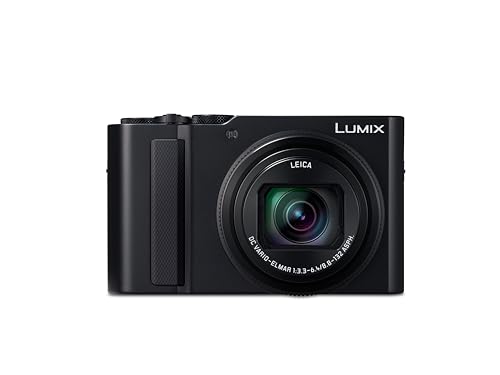
A 15x optical zoom packed into a body that fits in a jacket pocket makes the LUMIX ZS300 a uniquely portable tool for filming football from the stands. For a parent on the sidelines or a fan traveling light, it delivers a compelling blend of reach and convenience that bigger cameras can’t match. The 4K video capability and built-in stabilization mean your clips will be sharp and detailed, while the larger sensor helps in overcast game conditions. This camera suits anyone who prioritizes getting a good shot without hauling a heavy kit.
The trade-off for that portability is ultimate image quality, especially in low evening light where its smaller sensor can struggle. For filming entire matches with professional broadcast-style zooms, a dedicated sports camera like the XbotGo Chameleon or a mirrorless model with a long lens would be more appropriate. The ZS300 excels as a personal documentary tool, perfect for capturing your team’s highlights from a fixed position without drawing attention or straining your shoulder.
Product photos
Canon PowerShot SX740 HS Camera
What We Like
- Massive 40x optical zoom for distant action
- Records smooth 4K video with built-in stabilization
- Compact, travel-friendly body at 2.7 pounds
- Easy wireless sharing via Canon Camera Connect app
Trade-offs
- Fixed lens lacks flexibility of interchangeable systems
- No external microphone input for enhanced audio
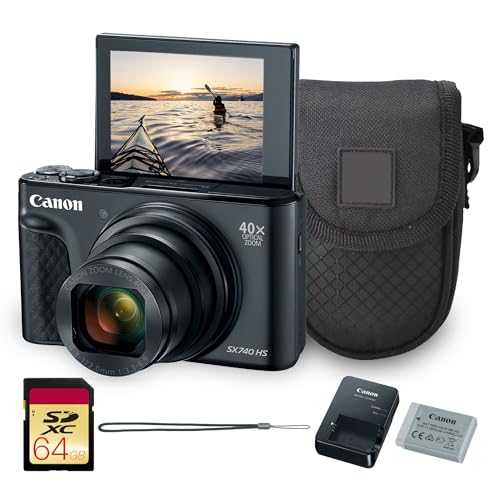
A 40x optical zoom lets you frame up a play from the far sideline or capture a close-up celebration across the field, all from a camera that fits in a jacket pocket. For the parent or fan on a budget who wants a simple, all-in-one tool to document the season, the SX740 HS delivers remarkable reach. Its 4K video with stabilization means handheld clips stay usable, and the wireless features make sharing highlights quick. This is a point-and-shoot that prioritizes convenience and extreme focal length over manual control.
The trade-off is in image quality when the light fades for evening games, as the small sensor can’t match the clean files of a larger mirrorless camera. It’s a dedicated videography tool, lacking ports for an external microphone to improve commentary audio. For a more versatile but still affordable step up with interchangeable lenses, consider the Canon EOS R50, which offers a larger sensor and a path to better glass. The PowerShot SX740 HS excels as a dedicated, ultra-long-range companion when your primary goal is getting the shot from anywhere, without the bulk or complexity.
Product photos
Panasonic LUMIX G97 Mirrorless Camera
What We Like
- 5-axis stabilization for sharp handheld footage
- Versatile free-angle LCD for easy framing
- V-Log L profile for cinematic color grading
Trade-offs
- Micro Four Thirds sensor smaller than full-frame rivals
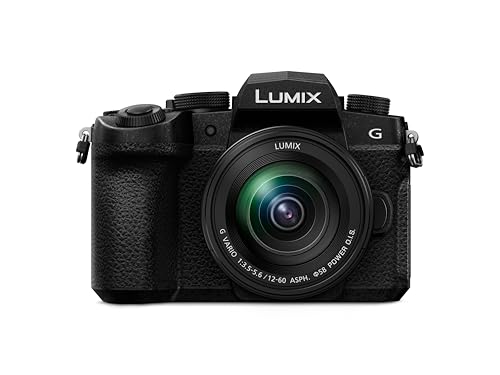
The ability to record 4K video without a time limit is the standout feature for filming an entire match or a long training session. This makes the Panasonic LUMIX G97 a reliable choice for coaches or parents who need to capture every minute without worrying about the camera stopping. Its 5-axis image stabilization keeps footage steady even when you’re following the action from the sidelines, and the V-Log L profile offers serious flexibility for post-production color correction. It’s a camera built for endurance and creative control in dynamic environments.
A Micro Four Thirds sensor gathers less light than the full-frame sensors found in models like the Sony Alpha a7 IV. The camera’s 5-axis stabilization supports an aggressive shooting style by countering shake. An intuitive design includes a free-angle LCD and Live View Finder for accurate framing in bright conditions.
Product photos
XbotGo Falcon AI Action Camera
What We Like
- AI-powered auto-tracking needs no camera operator
- All-in-one kit includes live streaming and storage options
- Dual-lens system separates tracking from recording
- Premium packaging and flexible setup options
Trade-offs
- Requires a microSD card for local storage
- AI tracking is optimized for team sports, not other uses
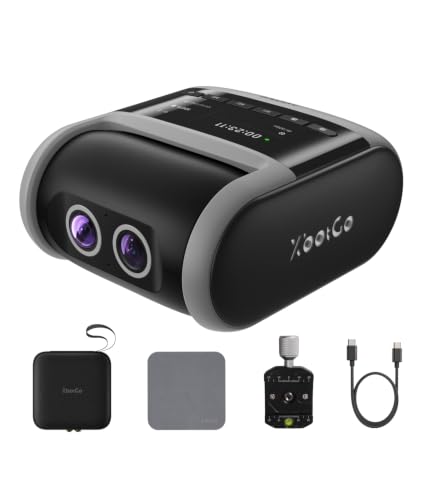
An AI-powered auto-tracking system that recognizes and centers the main action means you can set it up on the sidelines and capture the game hands-free. This makes the Falcon an ideal fit for coaches, parents, or analysts who need a dedicated, automated recording setup for player development and game review without needing a dedicated videographer. Its all-in-one nature combines 4K recording, live streaming, and smart tracking into a single, purpose-built package.
The trade-off is in its specialized design and heft. For someone who wants a single camera for filming football matches and also taking family photos or shooting other creative projects, a more versatile hybrid mirrorless model would be a better choice. The Falcon excels as a set-and-forget sports tool, not a general-purpose camera.
Product photos
How We Evaluated Cameras For Football Videography
Our evaluation is based on manufacturer specifications, expert round-ups from photography publications, and patterns in real-world owner feedback. For filming football, we prioritized autofocus reliability for tracking moving athletes, video resolution and frame rate for capturing sharp action, and physical handling for extended sideline use. Battery life and lens ecosystem flexibility were also key considerations. As a research-led guide, we cannot verify long-term durability claims or compare proprietary software experiences firsthand, so we rely on documented expert assessments and consistent user reports.
What To Look For In Cameras For Football Videography
Choosing the right camera means matching its strengths to your specific role on the sidelines. A parent needs simplicity and zoom, while a club media director requires professional video and stills.
Look for fast, reliable autofocus, 4K video resolution at useful frame rates, effective image stabilization, and a form factor you can manage for a full match.
Autofocus Performance
Fast and accurate autofocus is non-negotiable for following a play across the pitch. Advanced systems use AI and subject recognition to lock onto athletes, even when they turn or are partially obscured. Cameras with reliable Real-time Eye-AF or similar tracking technology, like our top picks from Sony, prevent the focus from hunting and missing the critical moment. Our research confirms that this is a top consideration for sports cameras.
Video Capabilities
Look for a camera that can record in 4K resolution, as this provides the detail needed for analyzing plays or creating highlight reels. High frame rates, like 60p or 120p, are essential for creating smooth slow-motion replays of tackles, saves, or goals. Some models offer helpful video profiles like S-Cinetone or V-Log L for more cinematic color grading in post-production. For many creators, a good workflow for editing soccer highlights starts with high-quality source footage.
Handling & Support
Consider how you’ll use the camera: handheld from the stands, on a tripod, or as a dedicated automated unit. Image stabilization is crucial for steady shots when filming without a monopod. Battery life must support recording an entire match, and USB-C power delivery can allow for continuous operation. For a completely hands-off approach, dedicated automatic tracking cameras are a specialized solution.
Key Checks
- Verify the camera’s maximum recording time limit; some stop after 30 minutes unless set to a special mode.
- Check for an external microphone input to capture clearer coach instructions or crowd atmosphere.
- Ensure the lens or camera’s optical zoom range is sufficient for your typical seating distance.
- Confirm compatibility with any existing lenses or accessories you own.
The best camera is the one you’ll actually use effectively from your position on game day.
Cameras For Football Videography Compared
The following table compares the key specs of our top picks at a glance to help you see the differences clearly.
| Product | Video Recording | Weight | Sensor Resolution |
|---|---|---|---|
| Sony Alpha a7 IV Mirrorless Camera | 4K 60p 10-bit 4:2:2 | 3.3 pounds | 33MP full-frame |
| XbotGo Chameleon AI Sports Camera | 4K at 60FPS | N/A | N/A |
| Sony Alpha a7 V Mirrorless Camera | 4K 120p | 1.4 pounds | 33.0-megapixel |
| Nikon Z 6II Mirrorless Camera | 4K UHD 60p | 1.4 pounds | 24.5MP full-frame |
| Canon EOS R50 Mirrorless Camera | 6K oversampled uncropped 4K at 30 fps | 1.0 pounds | 24.2 Megapixel CMOS (APS-C) |
| Nikon D7500 DSLR Camera | 4K Ultra HD | 1.7 Pounds | 20.9MP |
| Panasonic LUMIX ZS300 Compact Camera | 4K | N/A | 20.1MP |
| Canon PowerShot SX740 HS Camera | 4K UHD at 30p | 2.7 pounds | 20.3MP CMOS |
| Panasonic LUMIX G97 Mirrorless Camera | 4K 30p | 2.5 pounds | N/A |
| XbotGo Falcon AI Action Camera | 4K dual-lens system | 1.8 pounds | N/A |
Frequently Asked Questions
What is the best video camera for filming football?
The best overall camera for most filmmakers is the Sony Alpha a7 IV, thanks to its advanced Real-time Eye-AF and full-frame video quality.
What cameras do NFL films use?
Professional broadcast productions like NFL Films rely on high-end cinema cameras and specialized rigs, which are far beyond typical consumer budgets. For amateur and semi-pro football videography, mirrorless cameras like the Sony Alpha a7 series or the Nikon Z 6II deliver the hybrid photo and video performance needed for high-quality sideline work. They also offer the lens versatility required for this type of filming, which you can read more about in our broader look at the best cameras for recording soccer games.
What should I look for in a camera for recording my child’s games?
Prioritize a long optical zoom to get close to the action from the stands, effective image stabilization for shake-free footage, and simple, reliable operation. The Panasonic LUMIX ZS300 offers a 15x zoom in a pocketable body, while the Canon PowerShot SX740 HS provides a massive 40x reach. For a dedicated, automated camera, exploring AI tracking cameras is worthwhile.
Is an action camera good for filming football?
Action cameras can be useful for mounting on a goalpost or helmet for a unique player’s perspective, but their fixed wide-angle lenses are poorly suited for capturing the full field from the sidelines. Their small sensors also struggle in lower light typical of evening games. For primary sideline filming, a camera with a proper zoom lens is a far better choice.
Can I use my smartphone for football videography?
Modern smartphones can capture decent clips, but they lack the optical zoom, advanced autofocus tracking, and audio input options of a dedicated camera. For creating a polished highlight reel or analyzing team performance, a dedicated camera provides significantly better quality and control, as covered in our resource on filming soccer.
The Bottom Line
For videographers seeking the most reliable tool to professionally capture football, the Sony Alpha a7 IV is our top recommendation for its excellent autofocus and advanced video features. If your budget is limited, start with the capable Canon EOS R50, and if you need a camera to run unattended and track a player automatically, choose the XbotGo Chameleon. Ultimately, the best camera for football videography is the one whose autofocus you can trust to keep the decisive moment sharp, no matter where the play moves on the pitch.
